
Backpacking Food Ideas Lunch: Smart, Easy Meals for the Trail
Backpacking food ideas for lunch should focus on calorie-dense, lightweight, and easy-to-eat meals that require little to no preparation while on the trail. The best options balance nutrition, portability, and convenience, often leaning toward no-cook backpacking lunch ideas like wraps, protein pouches, nuts, and dried foods. For longer trips or colder weather, simple rehydrated meals can provide warmth and energy without adding unnecessary weight to your pack.
After a few miles on the trail, lunch isn’t just a break, it’s fuel that determines how the rest of your hike feels. A well-planned meal can boost energy, improve mood, and keep you moving without feeling sluggish or overstuffed.
What Makes a Great Backpacking Lunch?
A good backpacking lunch isn’t about complexity, it’s about efficiency. Every item in your pack should earn its place. The most reliable lunches share a few key traits:
- High calories per ounce
- Minimal prep or no cooking required
- Shelf-stable ingredients
- Easy to eat on the go
- Balanced macronutrients (similar to planning easy high protein dinner ideas for sustained energy)
According to research shared by the U.S. Forest Service hikers burn significantly more calories than during normal daily activity, making energy-dense foods essential for endurance and recovery, just like choosing quick and easy dairy-free dinner ideas or easy dinner ideas gluten free to match your nutritional needs without extra hassle.
No-Cook Backpacking Lunch Ideas That Actually Satisfy
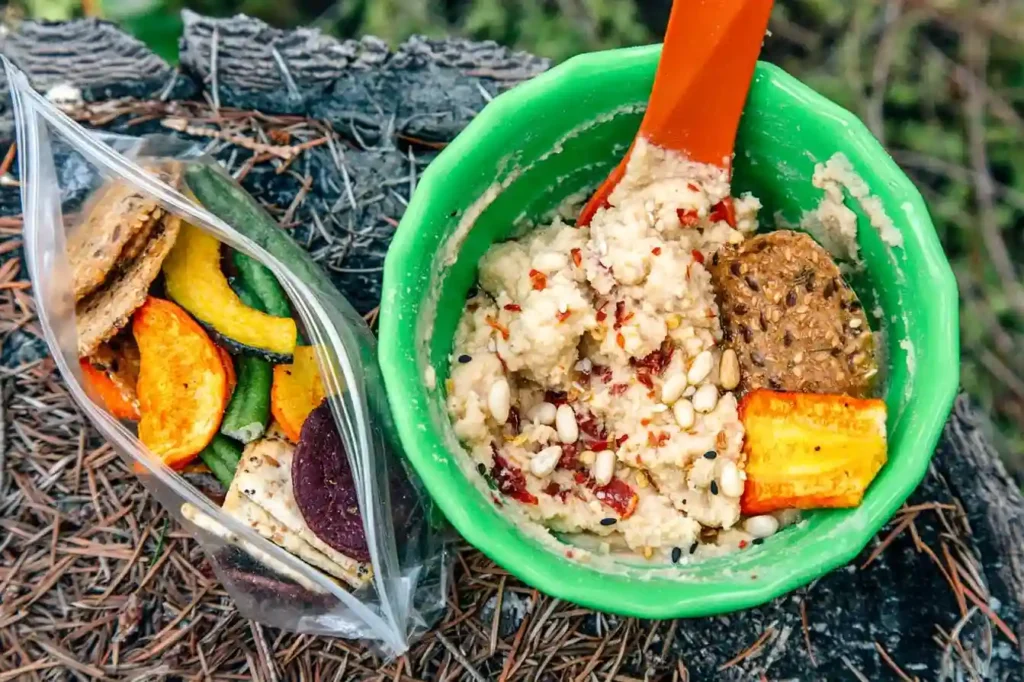
When you’re mid-hike, stopping to cook can feel like a chore. That’s why no-cook backpacking lunch ideas are the most popular choice for both beginners and experienced hikers.
1. Protein Wraps with a Twist
Tortillas are a backpacker’s best friend. They don’t crush like bread and pair well with almost anything.
What to pack:
- Tuna, chicken, or salmon pouches
- Shelf-stable mayo or mustard packets
- Spinach or lettuce (first day only)
- Hot sauce or seasoning
Why it works:
High protein, low effort, and easy to customize.
Common mistake to avoid:
Don’t pack soft sandwich bread, it gets smashed quickly.
2. Trail Charcuterie Box
Think of this as your elevated snack lunch.
Simple combination:
- Hard cheese (cheddar, parmesan)
- Salami or pepperoni
- Crackers or oatcakes
- Nuts and dried fruit
Why it works:
Fat + protein + carbs = sustained energy.
This kind of balanced eating mirrors recommendations from nutrition studies on endurance activities, where combining macronutrients helps maintain stable energy levels.
3. Nut Butter Tortillas
This is one of the easiest good backpacking lunch ideas you can rely on.
Build it like this:
- Peanut or almond butter
- Honey packets
- Banana chips or granola
Why it works:
Calorie-dense and requires zero prep.
Do this: Add a pinch of salt for electrolyte balance
Don’t do this: Use fresh bananas, they bruise easily and add weight
4. Instant Hummus with Crackers
Powdered hummus is underrated.
What you need:
- Instant hummus powder
- Small water bottle for mixing
- Crackers or pita
Why it works:
Lightweight, plant-based, and surprisingly filling.
5. Backpacker “Sushi” Rolls
A creative option that feels fresh even on the trail.
Ingredients:
- Smoked salmon packets
- Nori sheets
- Pre-cooked rice (or cold-soaked rice)
Why it works:
Unique, nutrient-rich, and satisfying.
Hot and Rehydrated Lunch Ideas for Longer Breaks
Sometimes, especially in colder conditions, a warm meal makes all the difference.
1. Couscous Power Bowl
Couscous is one of the fastest rehydrating grains.
Add-ins:
- Tuna or chicken
- Dried vegetables
- Olive oil packet
Prep tip:
Add boiling water, cover, and wait 5 minutes.
2. Upgraded Ramen
Basic ramen can become a real meal with a few additions.
Upgrade with:
- Beef jerky or dried chicken
- Mushrooms
- Spinach powder
Why it works:
Comfort food that boosts morale on tough hikes.
3. Trail Mac and Cheese
A classic with a backpacking twist.
Enhance it with:
- Bacon bits
- Tuna
- Powdered milk
Do this: Pre-portion ingredients at home
Don’t do this: Carry full boxes, they’re bulky
Fresh Lunch Ideas for Day 1 or Car Camping
If you’re just starting your trip or camping with a cooler, you can enjoy fresh meals before switching to shelf-stable foods.
1. Hearty Sandwiches
Use sturdy bread options:
- Bagels
- Sourdough
- English muffins
Fillings:
- Deli meat
- Cheese
- Avocado
- Mustard or mayo
2. Pasta or Quinoa Salad
Make it at home and store it properly.
Best ingredients:
- Olive oil-based dressing
- Chickpeas or chicken
- Cherry tomatoes
3. Fresh Produce That Lasts
Not all fruits and vegetables are fragile.
Trail-friendly options:
- Apples
- Oranges
- Carrots
- Bell peppers
Quick Comparison: Choosing the Right Lunch Type
| Lunch Type | Prep Needed | Weight | Best For | Calories |
| No-Cook Meals | None | Light | Fast hiking days | High |
| Rehydrated Meals | Moderate | Medium | Cold weather, long breaks | High |
| Fresh Meals | Prepped | Heavy | Short trips, day one | Moderate |
Budget-Friendly Backpacking Lunch Ideas
Backpacking doesn’t have to be expensive. Some of the best meals come from simple grocery store staples.
Affordable options:
- Peanut butter + tortillas
- Instant noodles
- Canned tuna (repacked)
- Oats with dried fruit
Money-saving tip:
Buy in bulk and portion meals yourself instead of purchasing pre-packaged backpacking food.
Meal Prep Tips That Save Time and Space
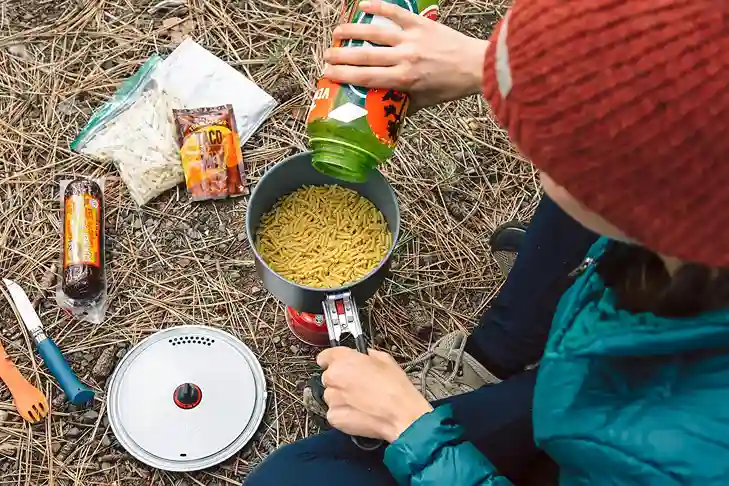
Planning ahead makes a huge difference once you’re on the trail.
- Pre-mix spices and sauces in small packets
- Use zip bags instead of bulky containers
- Label meals by day
- Pack trash bags to follow Leave No Trace principles
Many experienced hikers follow similar strategies outlined in outdoor education resources like those from the National Park Service, which emphasize efficiency and sustainability.
Common Mistakes to Avoid
Even simple lunches can go wrong if you’re not careful.
Packing too much water-heavy food
Fresh foods are great, but they add weight quickly.
Ignoring protein
Carbs alone won’t sustain you for long hikes.
Overcomplicating meals
Lunch should be quick and stress-free.
Not testing meals beforehand
Try everything at home before taking it on the trail.
Smart Combinations for Balanced Energy
Instead of thinking in recipes, think in combinations.
Perfect backpacking lunch formula:
- Carbs: tortillas, crackers, grains
- Protein: tuna, nuts, jerky
- Fats: nut butter, cheese, olive oil
This balance aligns with general dietary recommendations for sustained energy, as discussed in nutrition research on macronutrient distribution.
Real-Life Trail Scenario
After hiking for three hours, stopping for lunch should feel like a reward, not another task. A simple tortilla filled with tuna, a handful of nuts, and some dried fruit can be eaten in under ten minutes while still delivering everything your body needs.
That’s the difference between a well-planned meal and one that slows you down.
FAQs About Backpacking Food Ideas Lunch
What is the best way to cook a backpacking lunch?
Tortilla wraps with protein pouches are one of the best options because they’re lightweight, filling, and require no prep.
How many calories should a backpacking lunch have?
Most hikers aim for 500 to 800 calories, depending on activity level and terrain.
Can I bring fresh food on a backpacking trip?
Yes, but it’s best for the first one or two days due to spoilage and weight.
What is the lightest backpacking lunch?
Nut butter tortillas, trail mix, and protein bars are among the lightest options.
Are dehydrated meals worth it for lunch?
They can be, especially in cold weather or on longer breaks when a warm meal is appealing.
How do I keep food from getting crushed?
Use hard containers or pack food in the center of your backpack surrounded by soft gear.
What are vegetarian backpacking lunch ideas?
Instant hummus, nut butter wraps, chickpea salad, and couscous bowls are great plant-based options.
Is it safe to eat tuna packets on the trail?
Yes, as long as they are sealed and consumed shortly after opening.
How do I reduce food weight?
Choose calorie-dense foods like nuts, oils, and dried items instead of water-heavy ingredients.
What should I avoid packing?
Avoid perishable dairy, soft bread, and anything that requires complicated cooking.
Final Thoughts
Backpacking food ideas for lunch should always prioritize simplicity, nutrition, and portability. The best meals are the ones you actually enjoy eating while staying energized and efficient on the trail. Whether you stick to no cooking, backpacking lunch ideas or mix in a few warm options, the goal is the same, fuel your body without slowing your journey. Just like planning easy high protein dinner ideas helps maintain energy after a long day, choosing balanced trail meals keeps you going strong. For those with dietary needs, thinking ahead the way you would with quick and easy dairy-free dinner ideas or even easy dinner ideas gluten free can make your trip smoother and more enjoyable.
For everyday inspiration beyond the trail, Savoroo’s take on easy meals and practical planning fits right into real life, whether you’re prepping for a hike or simply exploring easy pasta dinner ideas or even festive options like easy Christmas dinner ideas to get dinner on the table without stress.